Unlocking Your Vision: Practical Tips for Interior Design Projects
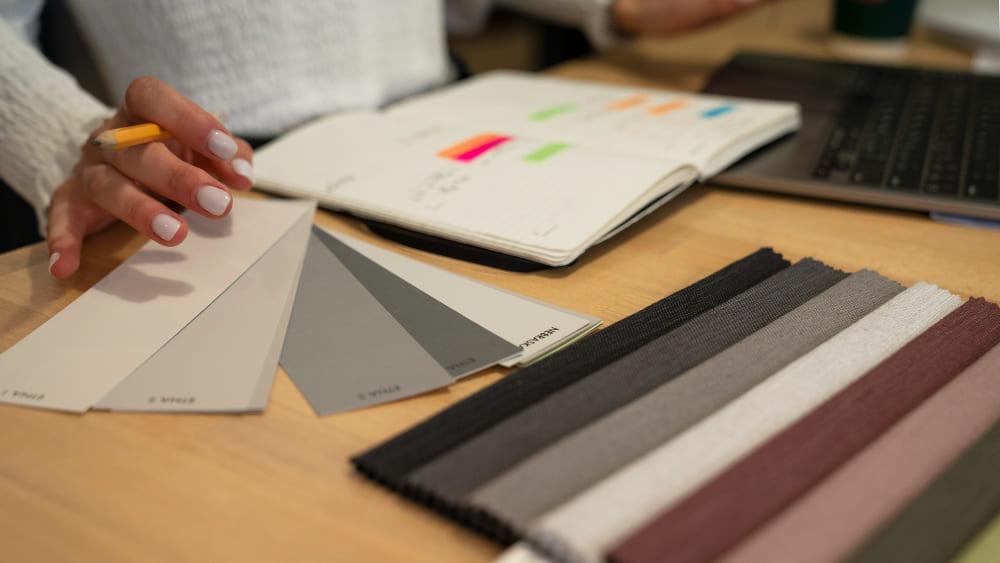
Exploring Interior Design Project Approaches
There are several effective strategies for undertaking an interior design project, each offering distinct advantages. Understanding these foundational approaches is crucial for aligning your vision with the most suitable execution path.
-
Do-It-Yourself (DIY) Approach: The Do-It-Yourself approach empowers individuals to manage projects independently. It prioritizes personal creative expression, offering full control over details. Ideal for those with a clear vision, a desire to learn, and aiming to optimize expenditures. This path demands significant personal time.
-
Professional Consultation: Engaging professional interior designers provides expert guidance and structured project management. This method leverages industry knowledge and networks to deliver refined, cohesive solutions. Suited for those seeking high-quality outcomes with minimal personal involvement, ensuring efficiency and aesthetic excellence.
-
Hybrid Model: The Hybrid Model combines personal involvement with selective expert input. Individuals handle comfortable aspects, outsourcing complex tasks to professionals. It balances personal vision with expert polish, offering flexibility and targeted support for specific project challenges.
Key Evaluation Criteria for Your Project
When comparing these approaches, consider specific criteria to determine which best fits your project's unique requirements and personal preferences. Thoughtful evaluation leads to better decision-making.
-
Budgetary Control: Examine how each method influences project spending. Consider initial costs, potential for unforeseen expenses, and overall value within financial limits.
-
Time Investment: Assess the personal time commitment required for planning, sourcing, oversight, and execution. Evaluate efficiency and potential for delays.
-
Outcome Quality: Evaluate the potential for achieving a refined, functional, and aesthetically pleasing final result. Consider consistency, materials, and finish.
-
Stress Level: Consider the psychological impact and complexity. Assess the pressure associated with decision-making, problem-solving, and managing project aspects.
Comparative Analysis of Design Approaches
The DIY approach offers significant budgetary control, as individuals directly manage purchases. However, unforeseen costs from mistakes or inefficient sourcing can escalate the true cost. While initial outlays seem lower, careful tracking is essential to maintain financial discipline and avoid unexpected expenditures throughout.
Engaging professionals, though a higher initial outlay, often leads to optimized spending. Experts at Planora Style Notes leverage industry relationships for better material pricing and efficient resource allocation. Their experience minimizes costly errors, ensuring value alignment and a clearer financial roadmap from the outset.
The Hybrid Model balances budgetary control. Individuals save by handling simpler tasks, investing in professional advice for critical areas like space planning. This strategic spending ensures key decisions are well-informed, avoiding expensive mistakes while maintaining personal financial oversight and smart resource allocation.
The DIY route demands substantial time investment for planning, sourcing, and execution. While rewarding, it's time-consuming, extending timelines. The stress level can be high due to unforeseen issues, problem-solving, and balancing the project with other commitments, requiring significant personal resilience.
Professional consultation significantly reduces personal time investment. Designers handle intricate details, ensuring timely progression. The stress level is generally lower, as experts manage complexities, troubleshoot issues, and coordinate all aspects, allowing clients to focus on key decisions.
The Hybrid Model requires moderate time investment, balancing personal tasks with expert support, allowing a personalized pace. Outcome quality is strong, combining personal vision with professional polish. Strategic expert input ensures critical elements meet high standards, resulting in a well-executed design reflecting both preferences and excellence.
Selecting the Right Path for Your Project
If you possess a clear design vision, enjoy hands-on work, and have ample personal time, the DIY approach can be immensely fulfilling. It offers unparalleled creative freedom. Thorough research and meticulous planning are crucial to mitigate challenges and keep your project on track for a deeply personal outcome.
For those seeking a refined, cohesive outcome with minimal personal involvement, professional consultation is optimal. It guarantees expert execution, adherence to industry standards, and access to exclusive resources. This method suits complex renovations or significant time constraints, ensuring a seamless, high-quality experience.
The Hybrid Model is ideal for individuals desiring a personal touch while valuing expert guidance for specific challenges. It allows leveraging professional insights for critical decisions like layout or material selection, retaining control over other aspects. This flexible solution suits moderately complex projects, balancing involvement and expertise effectively.
Leave your comments
Fast performance. Trusted quality. Guaranteed results.
Trademark notice
Planner 5D is a trademark of its respective owners. Planora Style Notes is not affiliated with or endorsed by Planner 5D. References to Planner 5D are for descriptive and compatibility purposes only.